
Overview of the CBSE education system
The CBSE, Central Board of Secondary Education, provides a uniform syllabus for all private and public schools across India.
This board provides equal opportunities for all students in cities and rural areas. It concentrates on skill development and quality education.
What is CBSE?
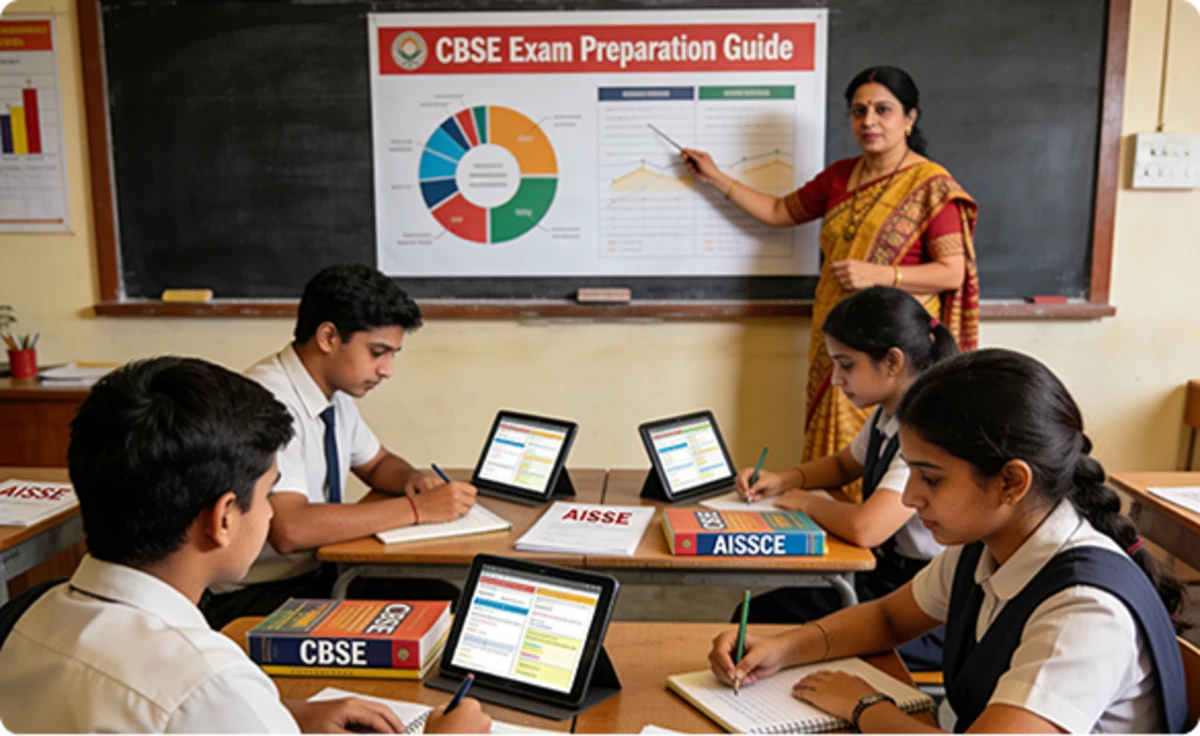
The CBSE is a national-level board of education in India. It conducts exams for AISSE (All India Secondary School Examination) for class 10 and AISSCE (All India Senior School Certificate Examination) for class 12.
When was it implemented?
The Central Board of Secondary Education was formally established in 1962. It mainly targets the students preparing for competitive exams like NEET, JEE, and UPSC.
Importance of CBSE board education system
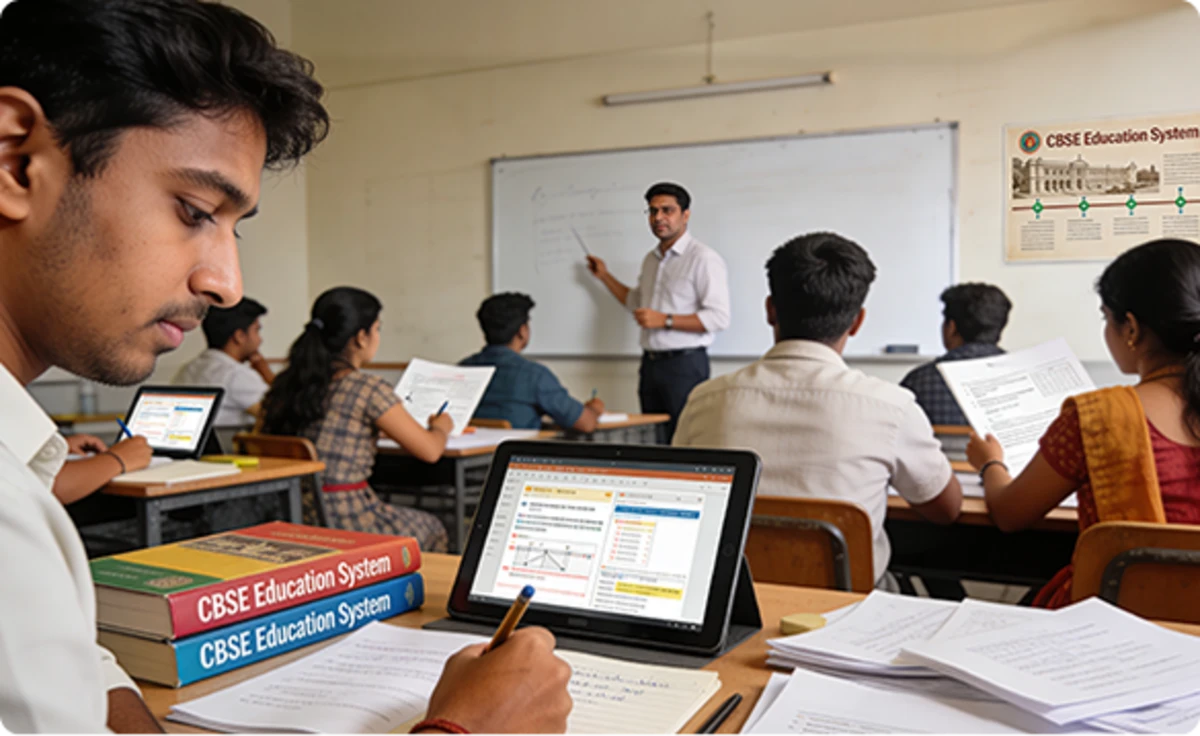
The CBSE board education system plays a vital role in the students of India because it provides a uniform and structured curriculum. The CBSE syllabus is designed based on the NCERT textbooks.
The education system focuses on conceptual learning, improving skills, and application-based learning instead of simply memorising.
It focuses on the holistic growth of students, such as in intellectual development, emotional growth, social skills, physical, ethical, and cultural values.

Key features of CBSE board
NCERT-based standard curriculum
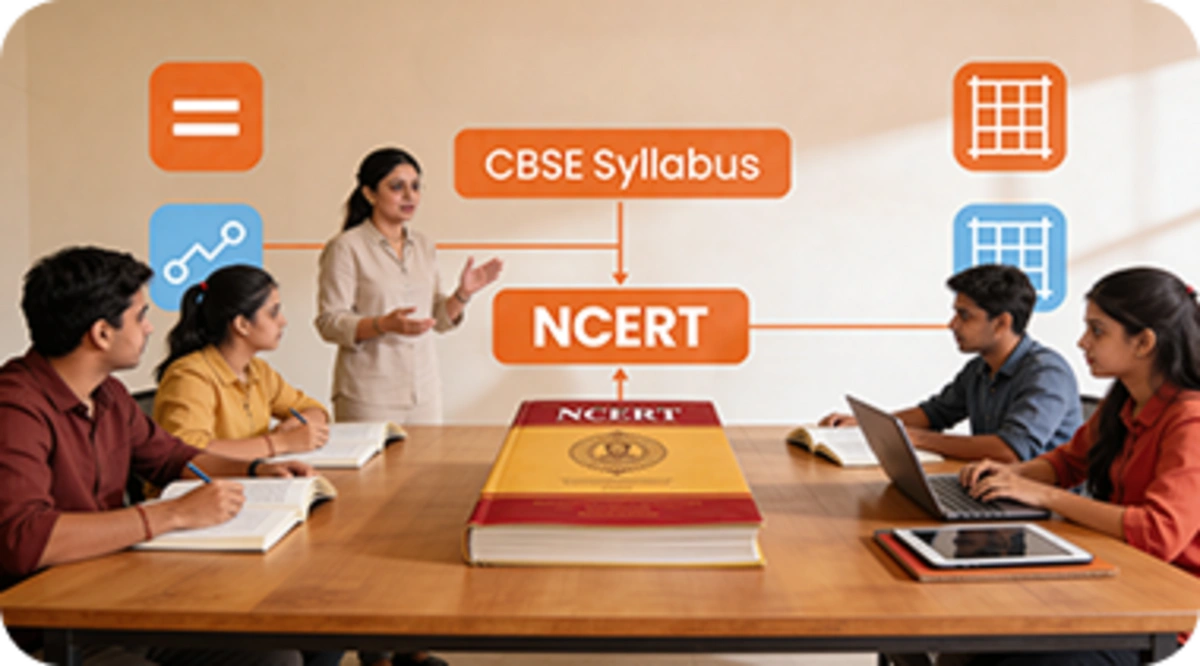
The CBSE syllabus is based on NCERT textbooks to follow a standard and uniform curriculum.
National Recognition
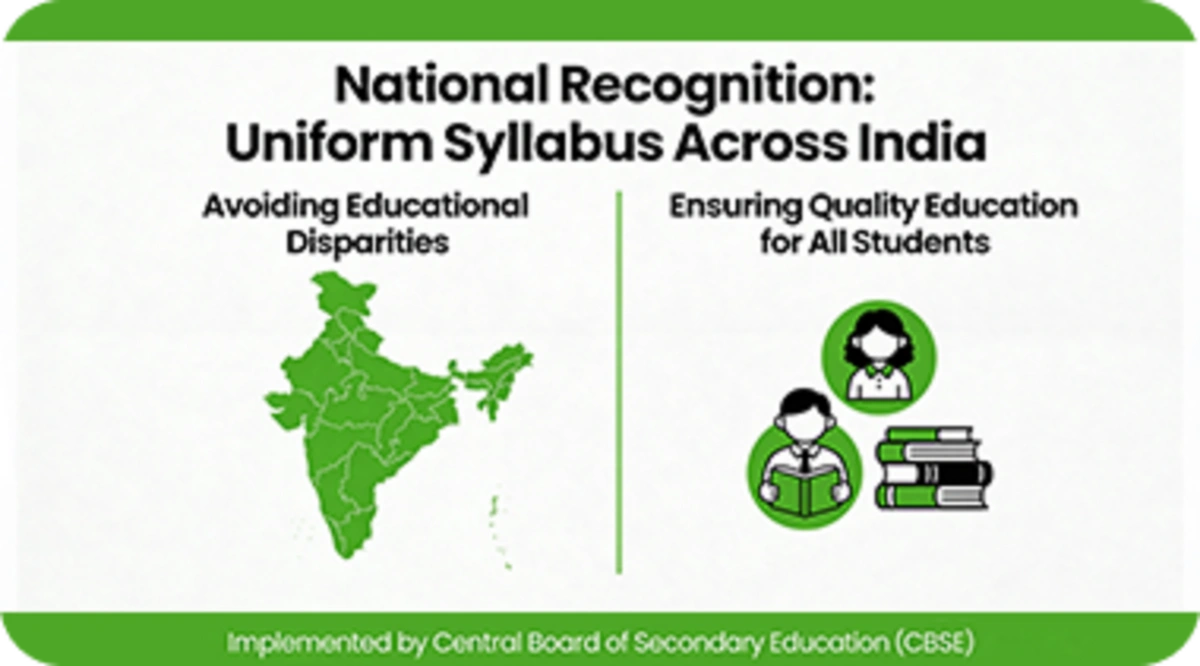
This board follows a uniform syllabus across India to avoid disparities and provide quality education for all students.
Focus on conceptual learning
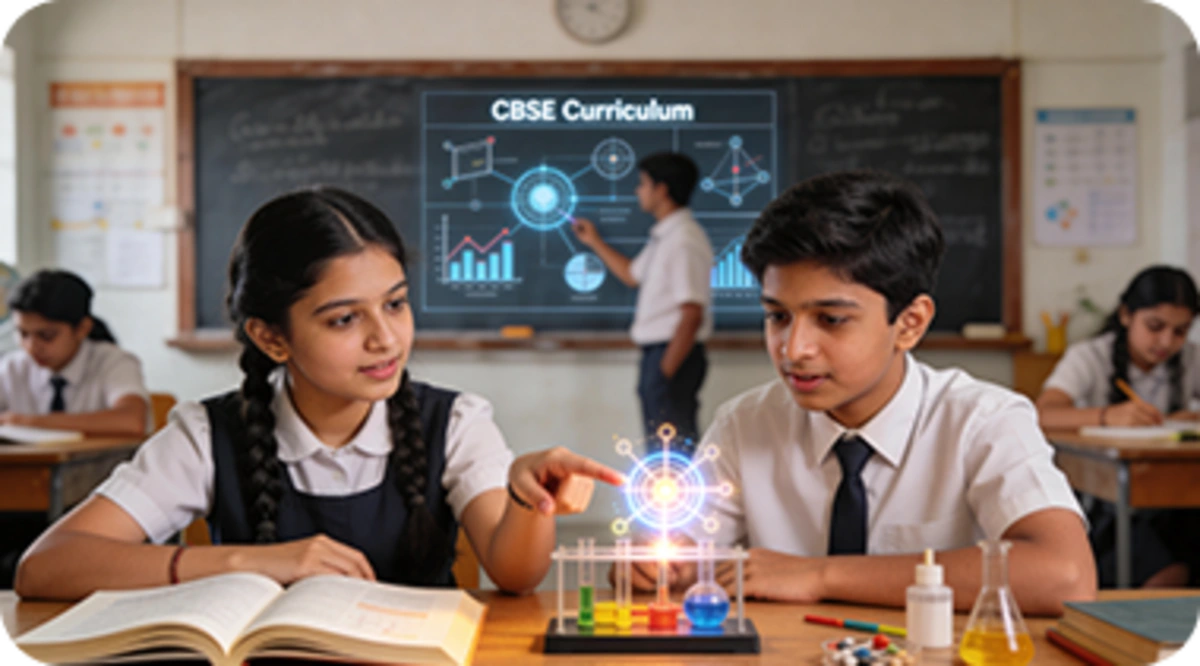
This board focuses on conceptual learning instead of just memorizing. This way of learning helps students to apply their knowledge in the real-world.
Focus on holistic development
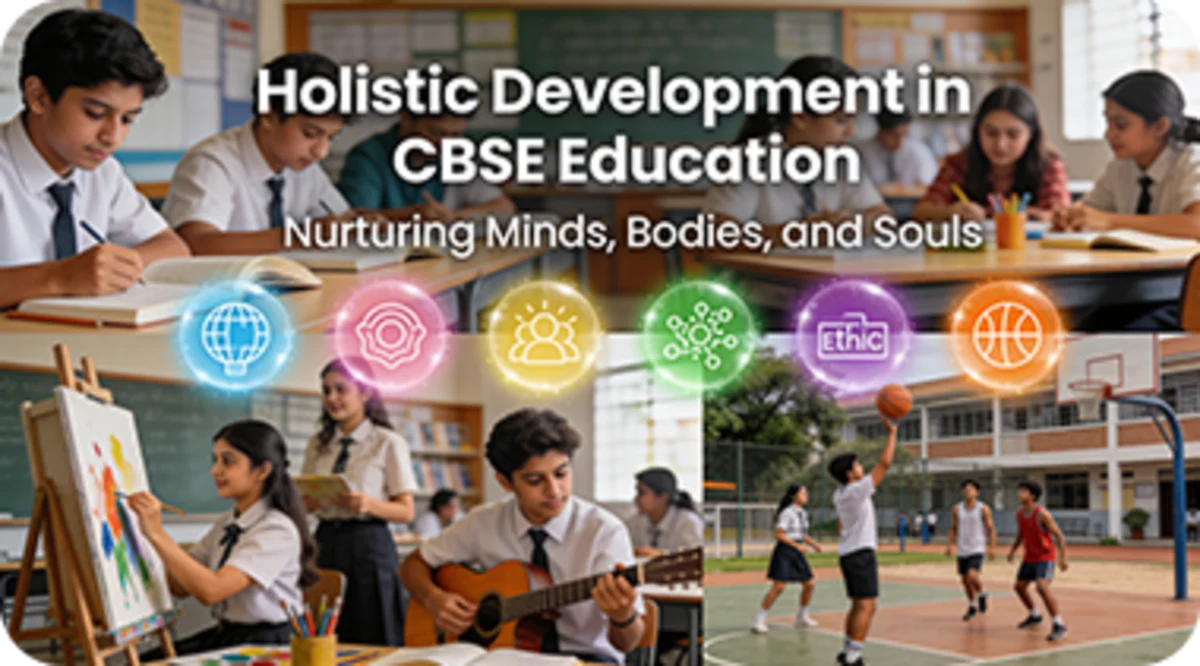
This board focuses on the overall growth of the students, not only in academics but also in intellectual development, emotional growth, social skills, physical, ethical, and cultural values.
Application-based learning

This board focuses on application-based learning, where students can apply their theoretical knowledge to practical situations through projects, assessments, experiments, and problem-solving.
Competitive exam preparation
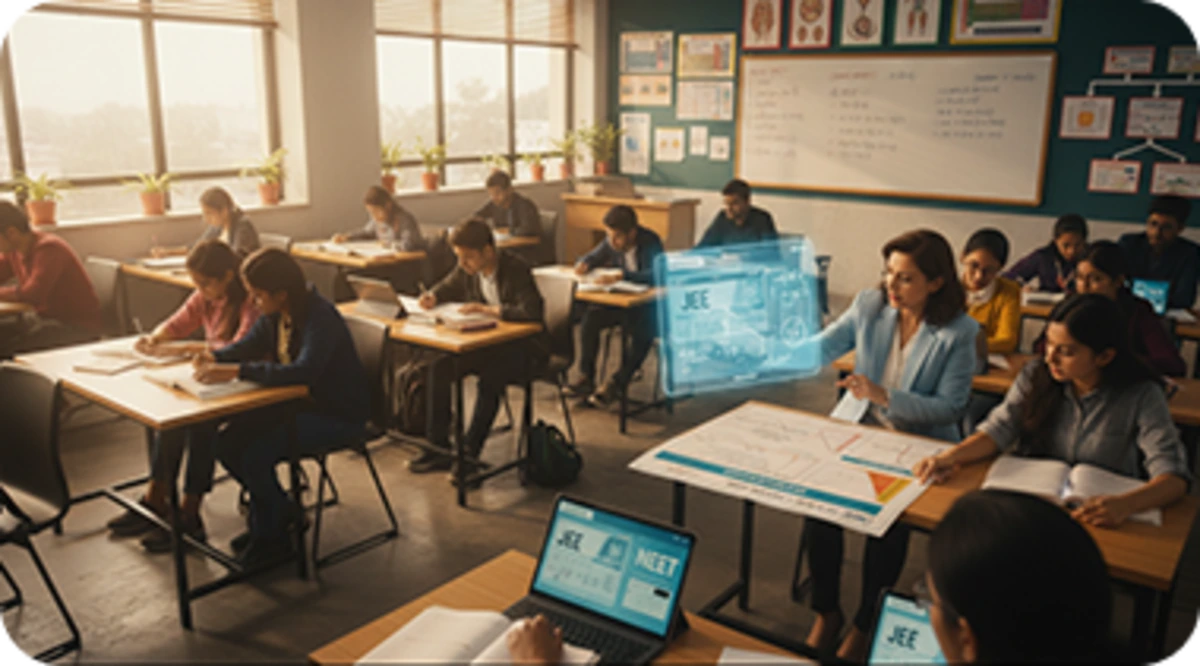
This board curriculum keeps students well-prepared for the national-level competitive exams like JEE and NEET.
CBSE syllabus and curriculum
The CBSE syllabus and curriculum are designed by NCERT to gain a strong foundation in core subjects like optional languages, English, Science, Mathematics, and Social Science.
The curriculum focuses on conceptual clarity, critical thinking, problem solving, and application- based learning.
Core subjects of CBSE syllabus
The core CBSE subjects are English, Mathematics, Science, Social science, and optional languages for class 10. While higher secondary subjects are divided into Science, Commerce, and Arts streams, with more options like Physics, Economics, History, etc.
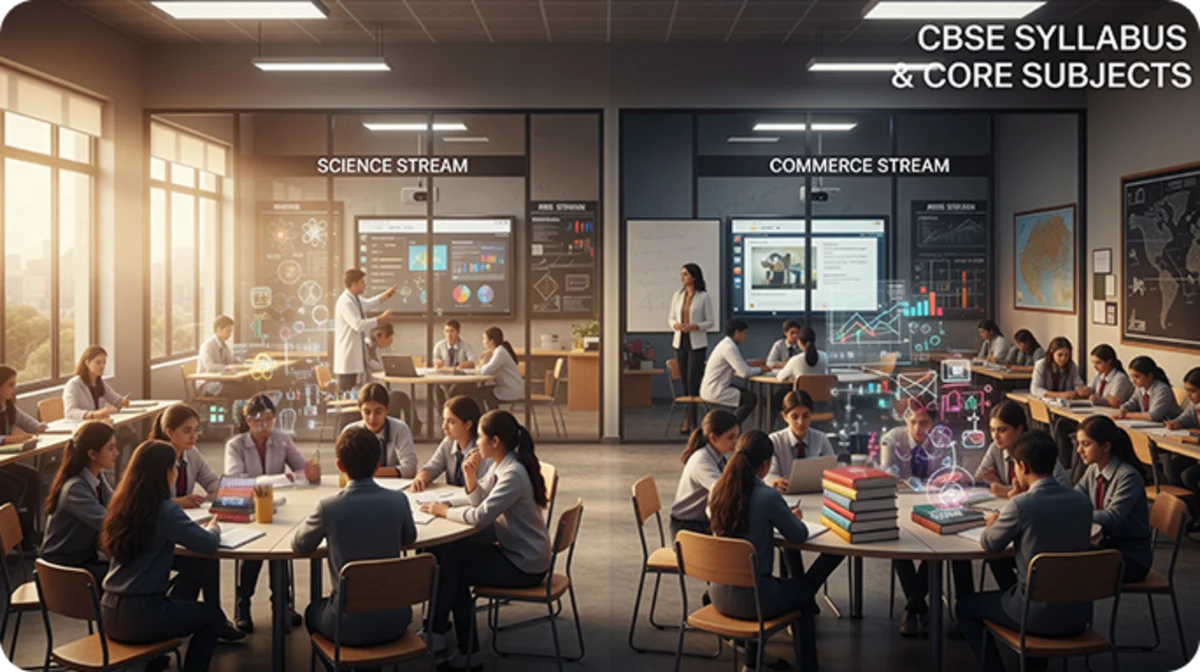
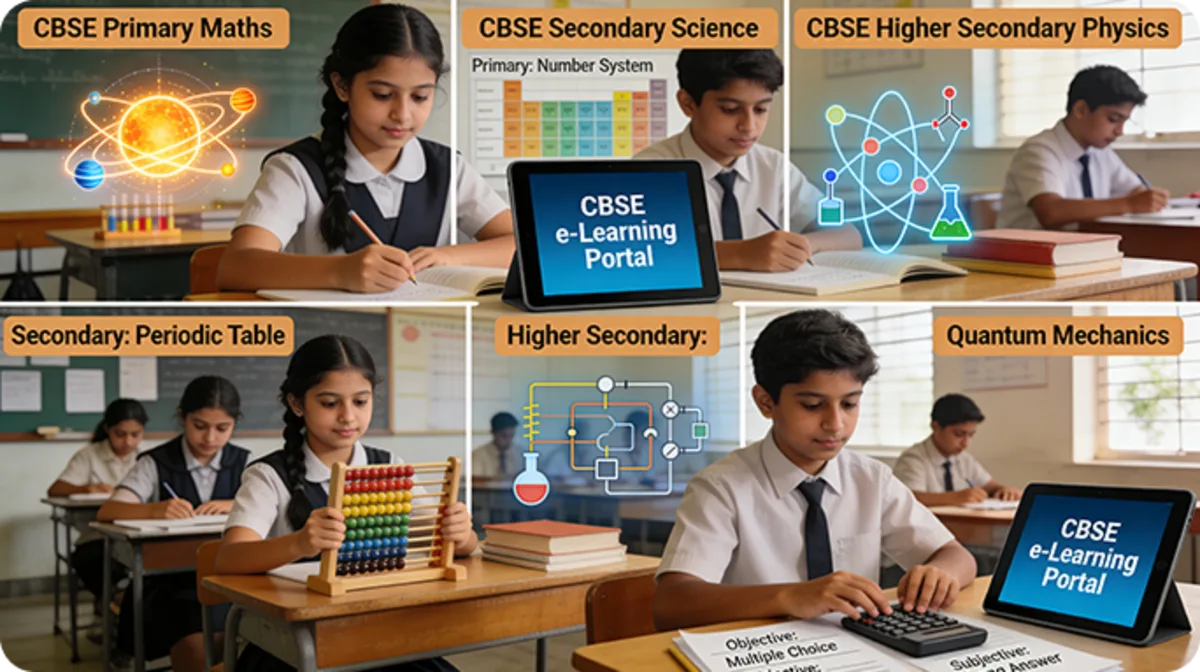
Structure of Curriculum
The CBSE curriculum is structured based on primary, secondary, and higher secondary to build a strong foundation from the basics to the advanced. The exam pattern includes both a mix of objective and subjective questions.
Updates in CBSE curriculum
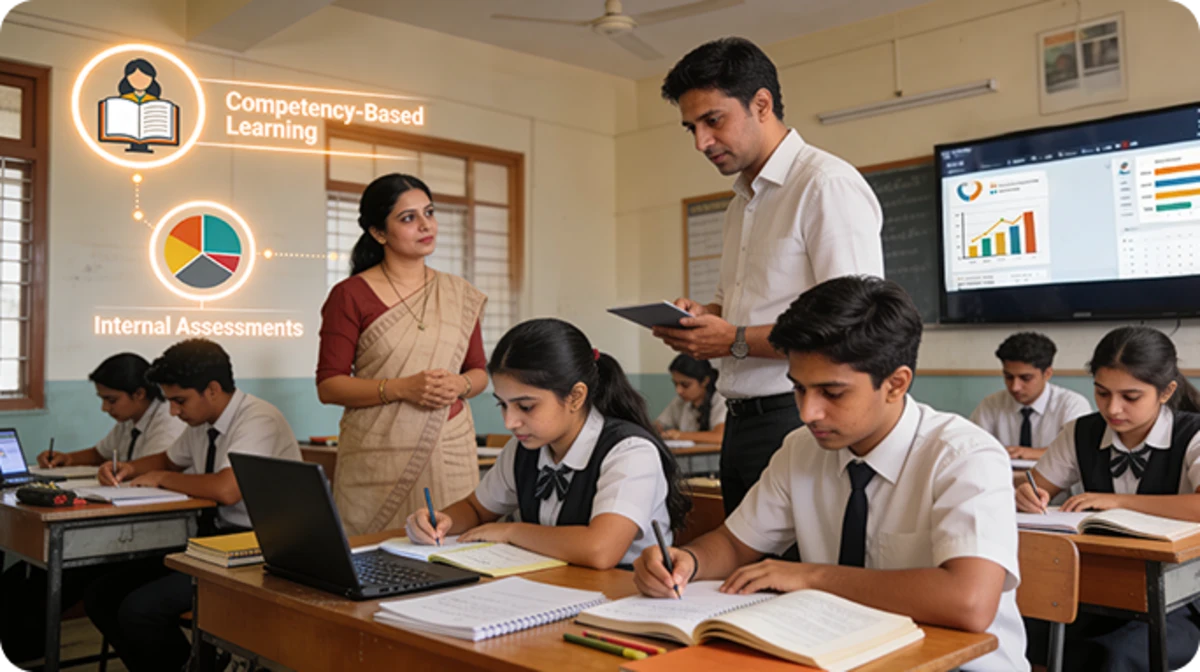
This board regularly updates the curriculum to prepare students to face challenges and run in the competitive world. The recent updates are competency-based learning, increased internal assessments, two board exams for class 10, and a modified exam pattern.
All CBSE resources in one place
MAAZTER is the best CBSE app that provides NCERT textbooks. These books build a strong foundation in academics as well as competitive exams from the basics to the advanced.
MAAZTER also offers guides, model question papers, and practice books to solve problems. This app also offers CBSE online classes, recorded videos, track progress, and personalized support.